Curated Africa travel planning

Find your next trip in Africa—fast.

AfricaTravelGo is a content-first guide to African travel: where to go, when to go, what to budget, and how to plan a trip that actually works. Start with the Top 50 list, then dive into country guides and practical tips.

Plan your trip

Use these hubs to go from inspiration to a workable itinerary with realistic timing, budgets, and seasonality.

Featured destinations

A quick starting shortlist—each linked from our full Top 50 and destination directory.

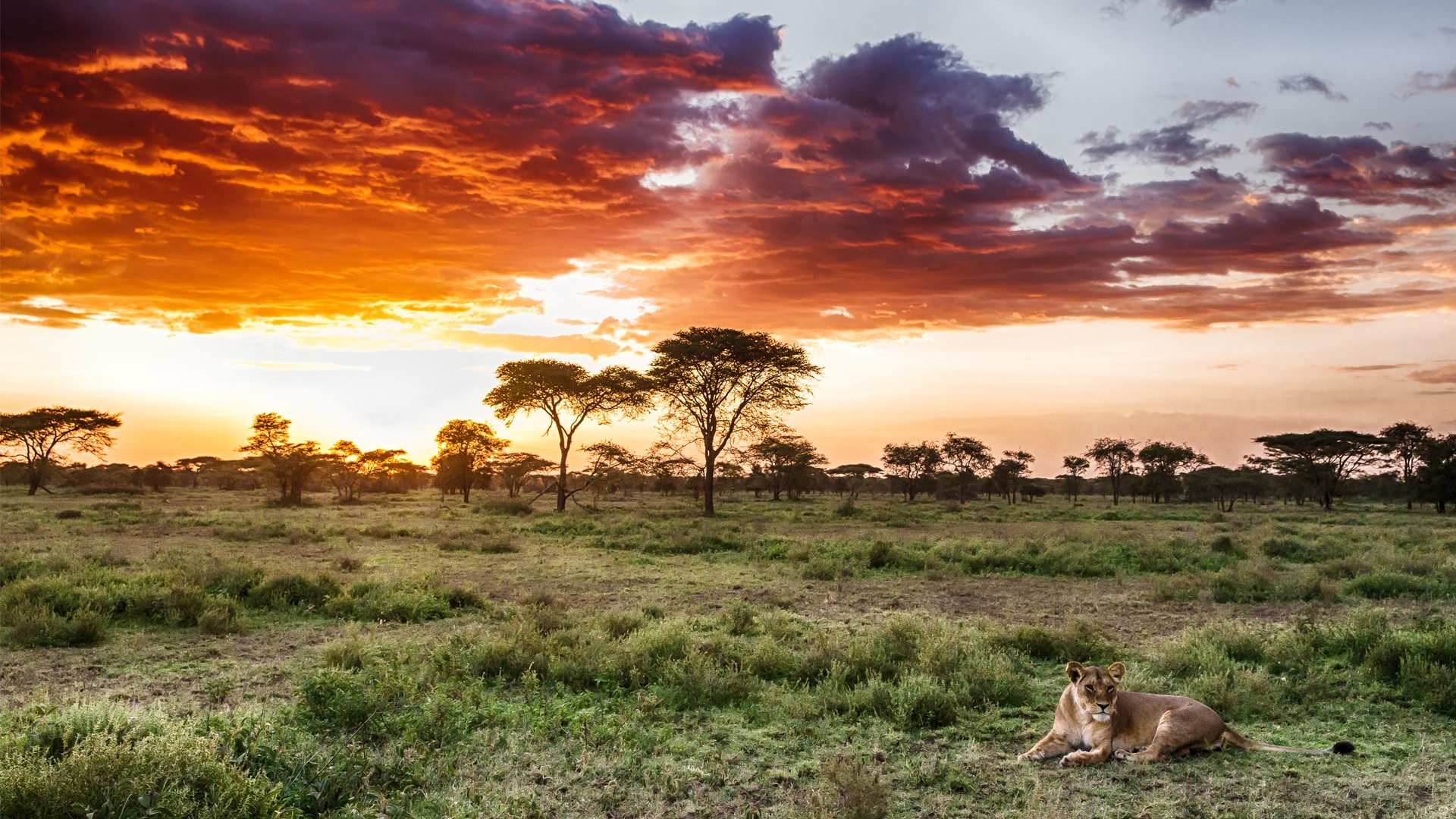
Serengeti National Park, Tanzania

The stage for the Great Migration—over 1.5 million wildebeest thunder across the plains. Combine with Ngorongoro Crater for a two‑park safari that delivers big cats, river crossings, and the Big Five in a single trip.

Explore Serengeti →

Maasai Mara, Kenya

Kenya's flagship reserve offers intimate big‑cat encounters and the dramatic Mara River crossings (July–October). Pair with a conservancy stay for night drives and walking safaris you can't do inside the national reserve.

Explore Maasai Mara →

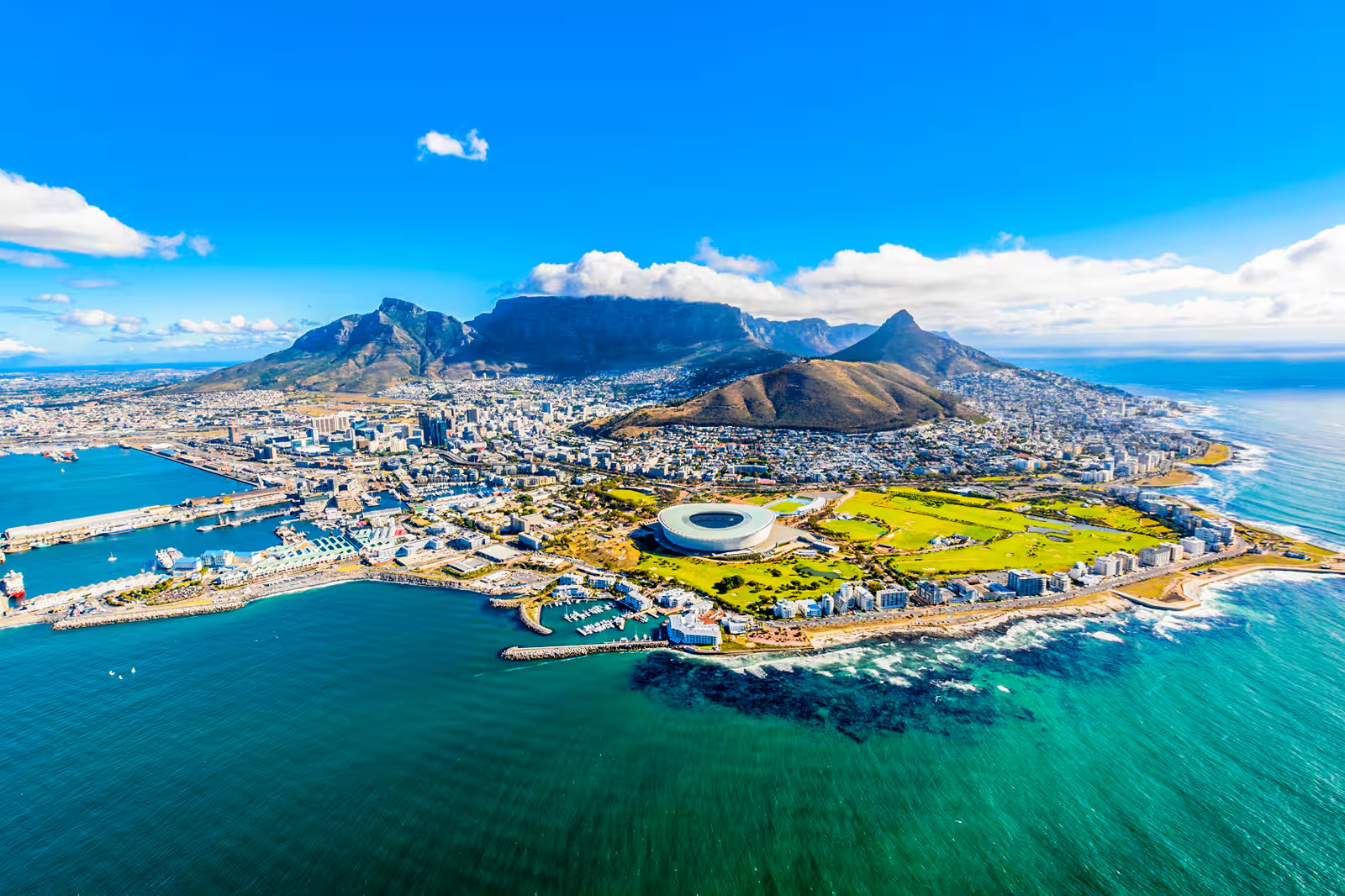
Cape Town, South Africa

Table Mountain, penguin‑dotted beaches, and world‑class vineyards—all in one city. Cape Town works brilliantly as a standalone trip or as the launchpad for a Garden Route road trip or Kruger safari extension.

Explore Cape Town →

Victoria Falls, Zambia & Zimbabwe

"The Smoke That Thunders" straddles two countries, each offering a different perspective. Add a Zambezi River canoe safari, a helicopter flip, or a quick hop into Botswana's Chobe National Park for elephants by the thousand.

Explore Victoria Falls →

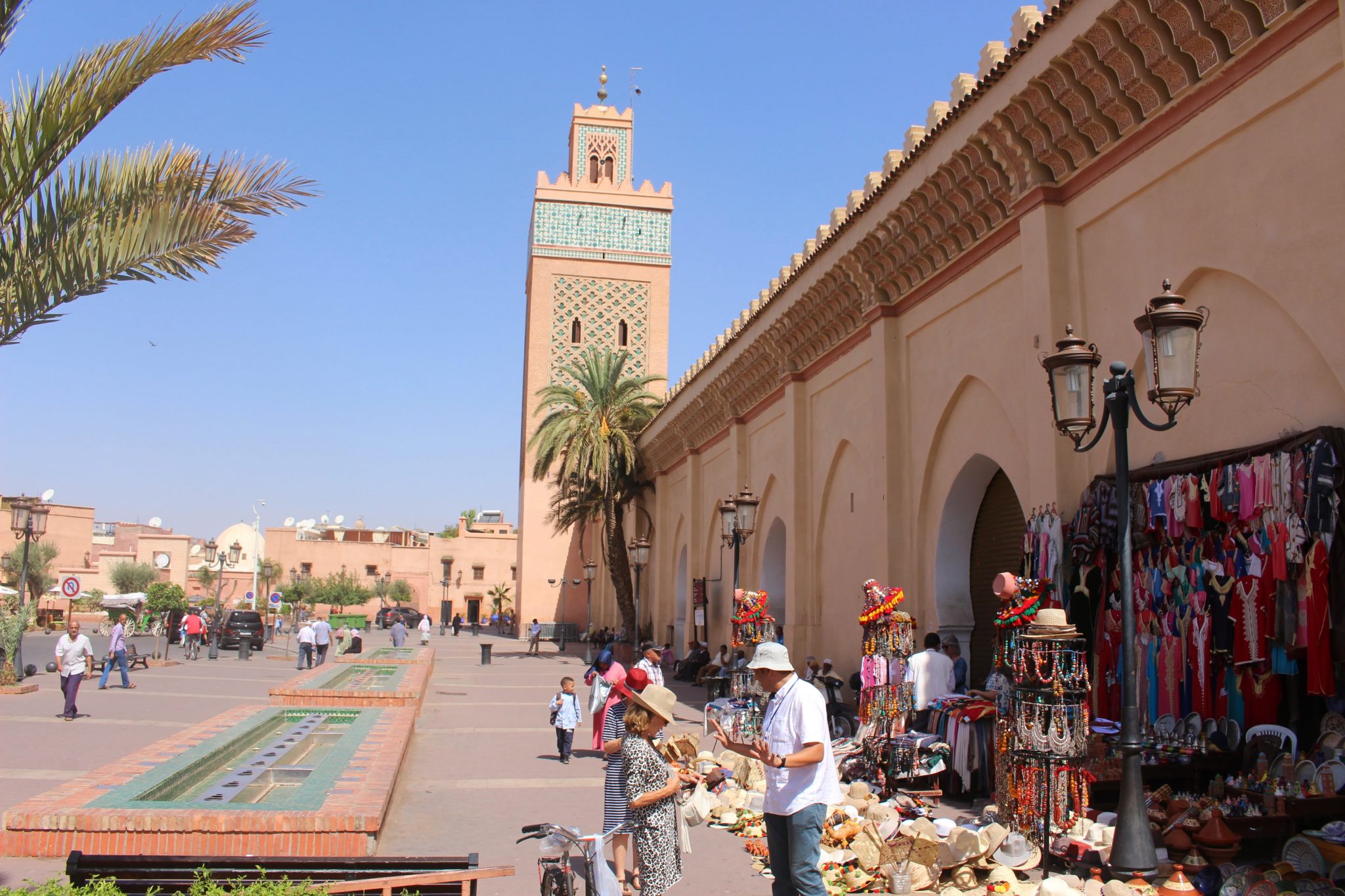
Marrakech, Morocco

The Red City delivers sensory overload in the best way: labyrinthine souks, aromatic tagines, and riads hidden behind unmarked doors. Use it as a base for Atlas Mountain treks or a three‑day Sahara desert excursion.

Explore Marrakech →

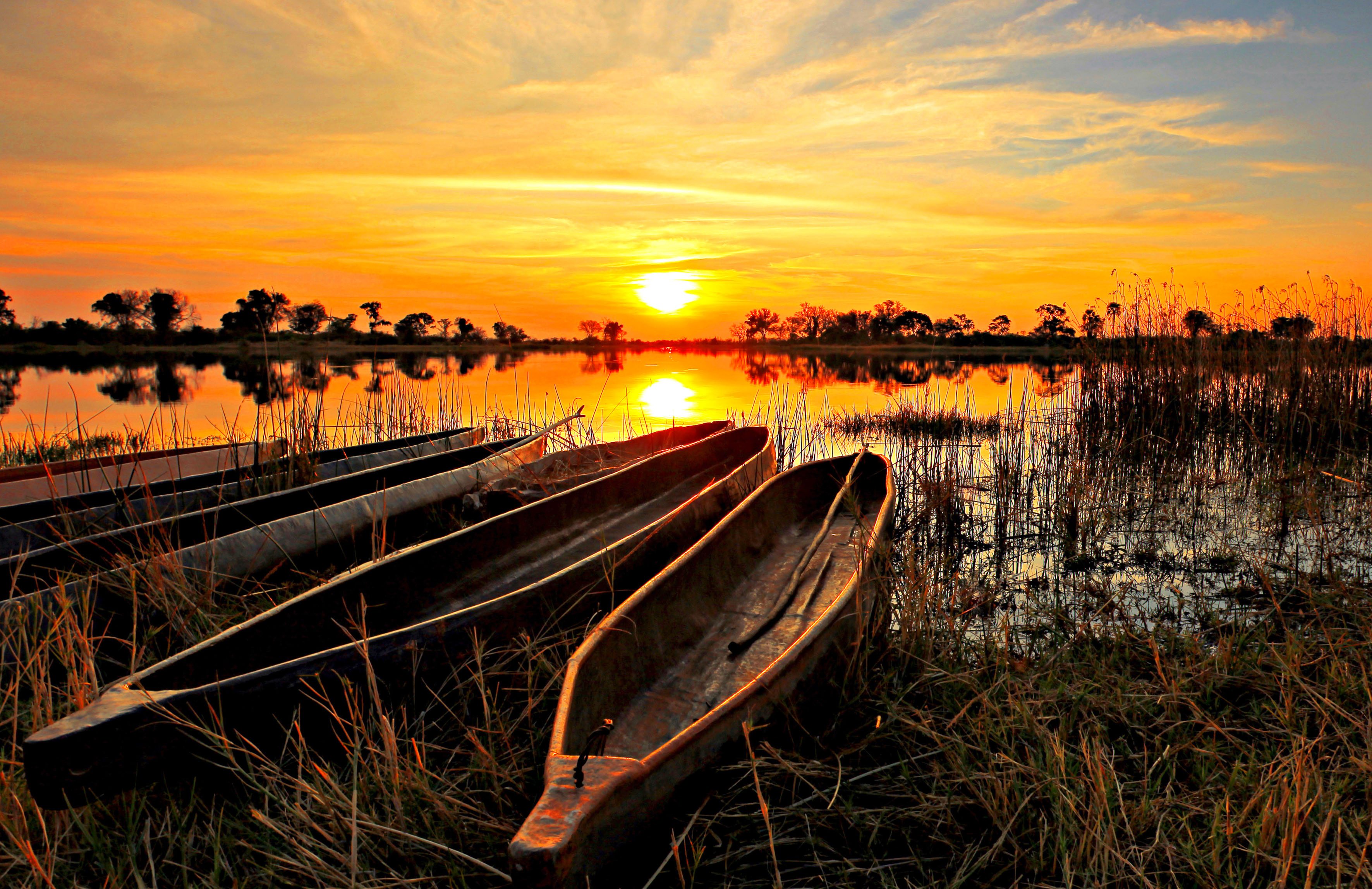
Okavango Delta, Botswana

A water‑world safari unlike anywhere else—glide through reed channels in a mokoro (dugout canoe), track wildlife on foot, and stay in remote fly‑in camps. Best visited June–October when floodwaters peak and game concentrates on islands.

Explore Okavango Delta →

How to use this site

1) Pick a region

North Africa, East Africa, West Africa, or Southern Africa—each has different seasons and travel styles.

2) Check timing

Weather and wildlife viewing can change month-to-month. We note best times and trade-offs.

3) Plan logistics

Visas, safety, SIMs, payments, and transport basics—so you can book with confidence.

Top African experiences you can't miss

Beyond the bucket-list classics, these are the moments that define an Africa trip—grouped so you can mix and match based on your travel style.

🦁 The Great Migration safari

Witness over 1.5 million wildebeest and zebra crossing the Serengeti–Maasai Mara ecosystem. Time it right (July–October for river crossings; January–February for calving season) and you'll see nature at its most raw and exhilarating.

Best in: Tanzania & Kenya  |  Safari planning guide →

🦍 Gorilla trekking

A face-to-face encounter with mountain gorillas in Uganda's Bwindi Impenetrable Forest or Rwanda's Volcanoes National Park. Permits are limited and pricey (USD 700–1,500), but the hour spent with a habituated family is life-changing.

Best in: Uganda & Rwanda  |  Country guides →

🏛️ Pyramids & ancient wonders

Stand at the foot of the Great Pyramid of Giza, explore the Valley of the Kings in Luxor, or visit the rock-hewn churches of Lalibela in Ethiopia. North and East Africa hold millennia of history that predate most European landmarks by thousands of years.

Best in: Egypt, Ethiopia & Sudan  |  Regional hubs →

🏝️ Indian Ocean beaches & Swahili culture

Zanzibar's Stone Town, Kenya's Lamu Island, and Mozambique's Quirimbas Archipelago blend turquoise water, spice markets, and centuries of dhow-sailing tradition. Ideal as a post‑safari wind-down or a standalone beach holiday with cultural depth.

Best in: Tanzania, Kenya & Mozambique  |  Browse destinations →

🏜️ Sahara Desert immersion

Ride a camel over rose-gold dunes at Erg Chebbi in Morocco, sleep under a blanket of stars in a Bedouin camp, or tackle a multi‑day 4x4 expedition into Algeria's Tassili n'Ajjer. The Sahara is vast—pick one corner and go deep rather than trying to cover too much.

Best in: Morocco, Tunisia & Algeria  |  Check best times →

🌊 Victoria Falls & adventure sports

One of the Seven Natural Wonders of the World, "Vic Falls" doubles as an adrenaline hub: white-water rafting the Zambezi, bungee jumping off the bridge, or swimming in Devil's Pool at the very edge of the cascade (dry season only).

Best in: Zambia & Zimbabwe  |  Itinerary ideas →

What your Africa trip might cost

Realistic per‑person daily budgets (mid‑range, excluding international flights). Prices shift with season, group size, and how far in advance you book.

💰 Budget traveller: USD 80–150/day

  • Hostels, guesthouses, or basic campsites
  • Public buses and shared shuttles
  • Group camping safaris or self‑drive in Namibia/South Africa
  • Street food and local restaurants
  • Example: Two weeks in Kenya on USD 1,500 including a 3‑day group safari

💵 Mid‑range: USD 250–500/day

  • Comfortable lodges, tented camps, or boutique guesthouses
  • Private 4x4 safari vehicle with driver‑guide
  • Domestic flights between major parks
  • Mix of lodge dining and local restaurants
  • Example: Ten days in Tanzania (Serengeti + Ngorongoro + Zanzibar) for USD 3,500–5,000

💎 Luxury: USD 700–1,500+/day

  • Premium fly‑in camps and five‑star lodges
  • Private guide and vehicle throughout
  • Charter flights between remote camps
  • Gourmet dining, private bush dinners, hot‑air balloon add‑ons
  • Example: A week in Botswana's Okavango Delta at USD 7,000–12,000 all‑in

Money‑saving tip: Travelling in the shoulder or green season (November–May in most of Southern/East Africa) can slash lodge prices by 30–50% while wildlife viewing remains excellent. Read our full budget breakdown →

Essential Africa travel advice

Straightforward tips and articles to help you plan a smoother, safer, and more enjoyable trip across the continent.

Safari on a budget: 7 ways to cut costs without cutting corners

Going on safari doesn't have to drain your savings. Start by travelling during the shoulder or green season—parks like the Serengeti and Kruger still deliver incredible wildlife at lower lodge rates. Book a self‑drive safari in Namibia or South Africa if you're comfortable behind the wheel, or join a small‑group camping safari where the per‑person cost drops dramatically.

Look for national park campsites instead of private lodges. In East Africa, combine Kenya and Tanzania overland and use public shuttles between parks to save on domestic flights. Even small choices help: carrying a reusable water bottle with a filter, bringing snacks from a local supermarket, and negotiating long‑stay discounts at guesthouses can free up money for that once‑in‑a‑lifetime hot‑air balloon ride.

Read our full safari planning guide →

How to stay healthy on the road: vaccines, water, and the first‑aid kit that gets used

A well‑planned health kit means fewer pharmacy stops. Start with routine vaccines (tetanus, typhoid, hepatitis A) and check whether yellow fever is required for your destinations—some countries demand proof at the border. Malaria prophylaxis isn't a one‑size‑fits‑all decision; chat with a travel clinic about the best medication for your exact route and season.

For everyday comfort, pack oral rehydration salts, a digital thermometer, motion‑sickness tablets, and a broad‑spectrum antibiotic prescribed for travellers' diarrhoea. In most cities and towns you can buy bottled water easily, but a portable purifier or UV steripen adds an extra layer of safety in remote areas. Don't forget high‑factor sunscreen and insect repellent with at least 30% DEET—apply it after your morning sunscreen and reapply in the late afternoon.

Explore our full health and safety section →

Africa packing list: lightweight, respectful, and ready for anything

The golden rule: pack for dust, sun, sudden rain, and modest cultural norms. Neutral‑coloured clothing (khaki, olive, beige) is best for safaris because bright white and dark blue can attract tsetse flies. A lightweight long‑sleeve shirt protects against both sun and mosquitoes, and a wide‑brim hat is worth its weight in gold.

For city travel and visiting religious sites, pack a scarf or sarong to cover shoulders and knees—this small gesture goes a long way in places like Stone Town, Lalibela, or Fes. Sturdy sandals work for most days, but keep a pair of closed shoes for hikes and cool evenings. A headlamp, a universal plug adapter, and a dry bag for electronics round out your essentials.

Culture, cash, and common courtesy: small things that make a big difference

Learning a handful of words in the local language—even just "hello" and "thank you"—opens doors across the continent. In many countries, it's customary to greet people before launching into a request; take a moment to ask how someone is doing. Handshakes are common, often longer and warmer than in Europe or North America.

Cash is still king in most markets, rural areas, and for tipping guides. Carry crisp, newer‑issue US dollars (post‑2009) for visa‑on‑arrival fees and larger payments, plus local currency for day‑to‑day spending. When bargaining in souks or craft markets, keep it friendly—a smile and a reasonable counter‑offer usually lands a fair price and leaves both sides happy.

First‑time safari mistakes (and how to avoid them)

Many first‑timers try to cram too many parks into too few days. Africa is vast; road transfers between reserves can easily eat a whole day. A better approach: pick two, maybe three, contrasting areas—for example, a big‑game reserve plus a wetland or desert landscape—and spend at least three nights in each to truly settle in.

Another common oversight: leaving all the wildlife spotting to your guide. Instead, scan the bush yourself, listen for alarm calls from impala or birds, and watch for fresh tracks. Early mornings and late afternoons are prime game‑viewing windows, so don't be tempted to sleep in. And resist the urge to stand up in the vehicle—animals see the vehicle silhouette as one object; breaking that shape can scare them off or provoke a defensive reaction.

When to go where: a quick season‑by‑season snapshot

December–February: East Africa's short dry season, great for Tanzania's southern Serengeti (calving season) and Zanzibar beaches. Southern Africa is lush and green—ideal for birding and fewer crowds in Botswana's Okavango Delta.

March–May: The long rains in East Africa bring low prices and dramatic skies; gorilla trekking in Uganda and Rwanda is still possible with fewer tourists. North Africa and Egypt enjoy pleasant spring temperatures perfect for sightseeing.

June–October: Peak safari season across Kenya, Tanzania, Botswana, and Zambia. The Great Migration river crossings typically happen July–September in the northern Serengeti and Maasai Mara. South Africa's whale‑watching and wildflower blooms peak in August–September.

November: A sweet spot: the short rains begin in East Africa, meaning green landscapes and baby animals, while Southern Africa heats up but lodges offer excellent shoulder‑season rates.

Detailed month‑by‑month guides →

Real traveller questions, answered

We've compiled the questions our readers ask most often—along with honest, experience‑based answers. Browse below, or send us your own.

Visa & entry

  • Can I get an East Africa tourist visa? Yes—Kenya, Uganda, and Rwanda offer a joint East Africa Tourist Visa (USD 100) valid for 90 days of multiple entries across all three. Tanzania is not included, so you'll need a separate visa there.
  • Do I need a yellow fever certificate? Many countries require proof if you're arriving from or transiting through a yellow‑fever‑endemic nation. Check the latest entry rules on your government's travel advisory site; we link to official sources in our Practical section.

Budget & money

  • How much does a mid‑range safari cost per day? For a private 4x4 safari in East Africa with comfortable lodge accommodation, budget roughly USD 350–550 per person per day sharing. Group camping safaris can drop below USD 200 per day.
  • Can I use credit cards everywhere? In major hotels, upscale restaurants, and safari lodges, yes. But at markets, local eateries, and fuel stations, cash is essential. Always carry a mix of US dollars and local currency.

Solo & women travelling

  • Is solo travel safe in Africa? Many countries are welcoming for solo travellers, especially if you stick to well‑travelled routes and book reputable transport. Read our region‑specific safety notes and trust your instincts—they're your best guide.
  • What should women pack for cultural norms? A lightweight pashmina or kanga is invaluable for covering shoulders and knees when entering mosques, churches, or rural villages. Modest dress also helps avoid unwanted attention in conservative areas.

Your 5‑step Africa planning checklist

Actionable steps to go from "I want to go to Africa" to "I'm booked and ready." Tick them off as you go.

  1. Pick your season and region first. Don't start with a country—start with the experience you want (safari, beach, culture, trekking) and the time of year you can travel. That dictates which region and country makes sense. Use our season guides →
  2. Set a realistic budget before you fall in love with a lodge. Know your all‑in number (flights + on‑ground costs + permits + tips + buffer). Then pick accommodation and activities that fit it—not the other way around. Budget benchmarks here →
  3. Book your "anchor" experiences first. Gorilla permits, peak‑season safari lodges, and popular fly‑in camps sell out months ahead. Lock those in, then build flights, city stays, and transfers around them.
  4. Sort visas, vaccines, and insurance early. Some visas take weeks; some vaccines need multiple doses spaced over a month. Travel insurance with medical evacuation coverage is non‑negotiable for remote safari areas. Full practicals →
  5. Leave slack in your itinerary. Africa travel is unpredictable—flights delay, roads wash out, and sometimes you'll want an extra day at a place you love. Build at least one buffer day per week. A packed schedule is the fastest route to burnout.

Done all five? Head to our itineraries page for day‑by‑day plans you can adapt, or browse all destinations to start building your own route.

Trusted foundations

Editorial note: We focus on practical, original guidance (not scraped lists). Pages are updated regularly and include country-specific context, seasonality notes, and planning checklists.

  • Clear site purpose: Africa travel discovery + planning.
  • Dedicated policy pages: Privacy, Terms, and Affiliate disclosure.
  • Indexable URLs: no reliance on hash routes for core content.

Frequently asked questions

How many days do I need for a first-time safari?

For a meaningful first safari, plan 5–7 days on the ground. That gives you time for two parks or reserves with 2–3 nights in each, plus travel between them. A shorter 3‑day trip works if you fly directly into one park, but you'll only scratch the surface. Add extra days if you want to combine safari with a beach, city, or trekking extension.

What's the best time to visit East Africa for the Great Migration?

The migration moves in a circular pattern year‑round, but the highlight—dramatic river crossings—typically happens July–September in the northern Serengeti (Tanzania) and Maasai Mara (Kenya). January–February is calving season in the southern Serengeti, with predator action and fewer crowds. See our full month‑by‑month breakdown →

Is it safe to travel independently in Africa?

Yes, with preparation. Many countries have well‑trodden backpacker routes and reliable transport infrastructure. Key precautions: research neighbourhood‑level safety for each city, avoid overland travel at night, use registered taxis or ride‑hailing apps, keep valuables out of sight, and always have a local SIM with data for maps and emergency contacts. Our Practical section breaks down safety country by country.

Do I really need a 4x4 for self‑drive safaris?

In most national parks, especially during the rainy season, a high‑clearance 4x4 is strongly recommended. A two‑wheel‑drive sedan may limit you to main roads and could get stuck on sandy or muddy tracks. Always check road conditions with your accommodation before setting out.

What's the best way to handle tipping on safari?

Tipping is customary. As a rough guide, tip your guide USD 10–20 per person per day and camp/lodge staff USD 5–10 per person per day, usually given as a group contribution. In restaurants, 10% is standard where service isn't included.

How far in advance should I book a gorilla trekking permit?

Permits for Uganda's Bwindi and Rwanda's Volcanoes National Park can sell out months ahead, especially for peak months (July–September and December–February). Book at least 4–6 months in advance to secure your preferred dates.

Is tap water safe to drink in Africa?

In most countries, it's best to stick to bottled or treated water. Many lodges and hotels provide filtered drinking water. Carry a reusable bottle with a built‑in filter or purification tablets for remote areas. In South Africa's major cities, tap water is generally safe, but confirm locally.

What vaccinations do I need for Africa travel?

At minimum, ensure routine vaccines (MMR, tetanus, typhoid, hepatitis A) are up to date. Yellow fever is required or recommended for many countries—check entry requirements carefully as some nations demand proof at the border. Hepatitis B, rabies, and cholera vaccines may be advised depending on your itinerary and activities. Always consult a travel health clinic 6–8 weeks before departure for personalised advice.

Can I combine multiple countries in one trip?

Absolutely—and many travellers do. Popular combos include Kenya + Tanzania (Great Migration circuit), South Africa + Botswana + Zimbabwe (safari and falls), and Morocco + Egypt (North African culture and history). Allow at least 4–5 days per country to avoid spending your entire trip in transit. Factor in visa requirements and budget for regional flights or overland transfers between borders.